October 3, 2025
What Is Home Automation and How Does It Work?
In recent years, more homeowners have turned to smart technology to make their houses more efficient, comfortable, and secure. You’ve probably heard the term home automation, but many people still ask the same question: what is home automation and how does it work? To answer that, we need to look at what home automation actually means, the technology behind it, and the benefits it brings.
What Is Home Automation?
Before explaining what is home automation and how does it work, let’s define the concept. Home automation refers to the use of smart devices and systems that can be programmed, monitored, and controlled automatically or remotely. These devices communicate with each other through a central hub, your smartphone, or even by voice commands using platforms like Alexa, Google Home, or Apple HomeKit.
At its core, home automation is about convenience and efficiency. Instead of manually adjusting your thermostat, turning lights on and off, or locking the doors, these tasks can be automated or triggered by specific conditions.
How Does Home Automation Work?
When people ask, what is home automation and how does it work, they’re really asking about the mechanics behind the technology. The answer lies in three main components:
1. Smart Devices
These are the tools that perform actions in your home, such as smart thermostats, locks, lighting systems, sensors, cameras, and appliances.
2. Communication Protocols
Smart devices need to communicate with each other. They often use Wi-Fi, Bluetooth, Zigbee, or Z-Wave networks to connect and share information.
3. Control Systems
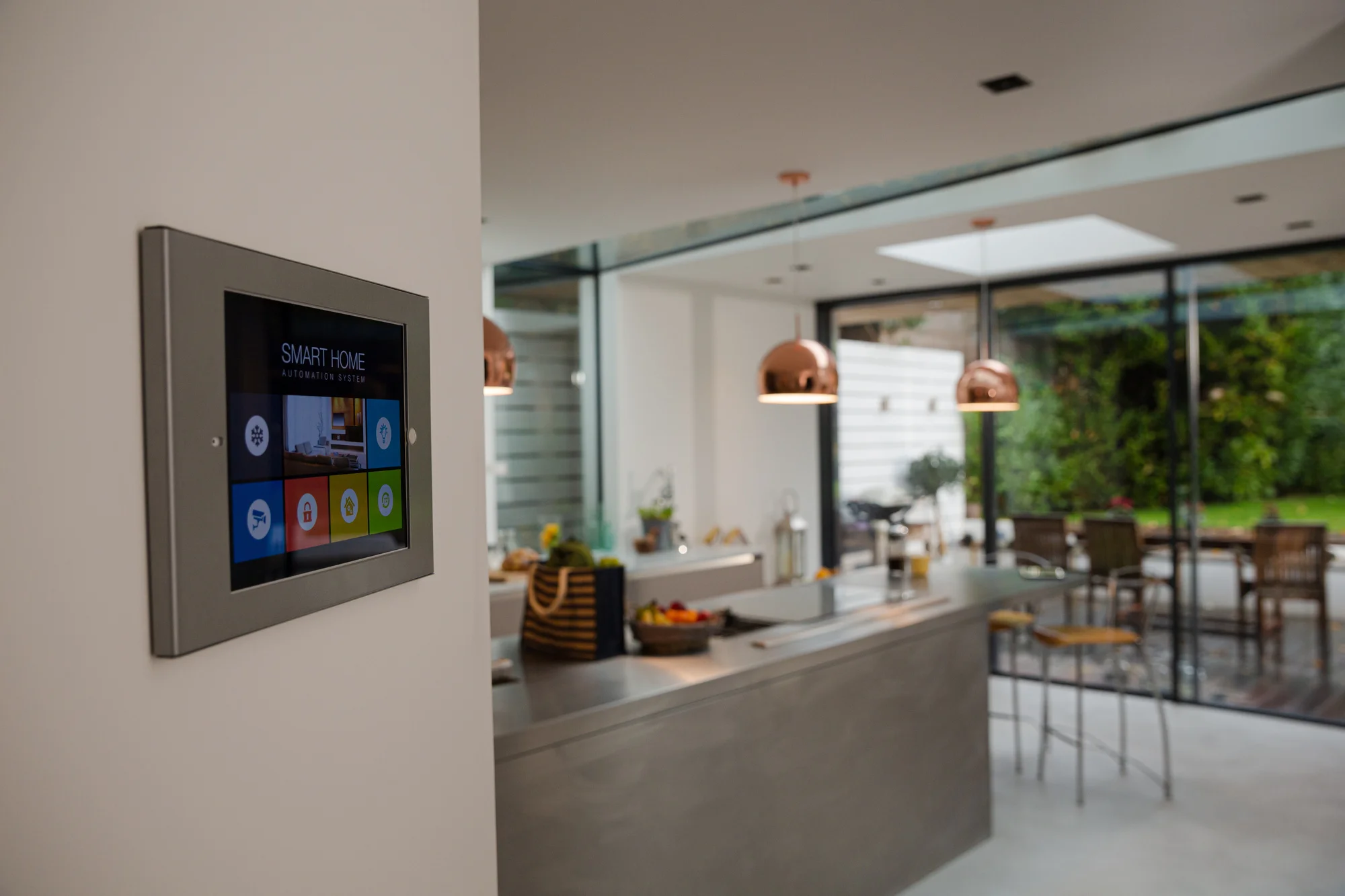
These are the platforms that allow you to manage everything. Mobile apps, smart speakers, and hubs act as the control centers where you can set schedules, monitor activity, and trigger actions.
Everyday Examples of What Is Home Automation and How Does It Work
Understanding what is home automation and how does it work becomes much clearer with practical examples:
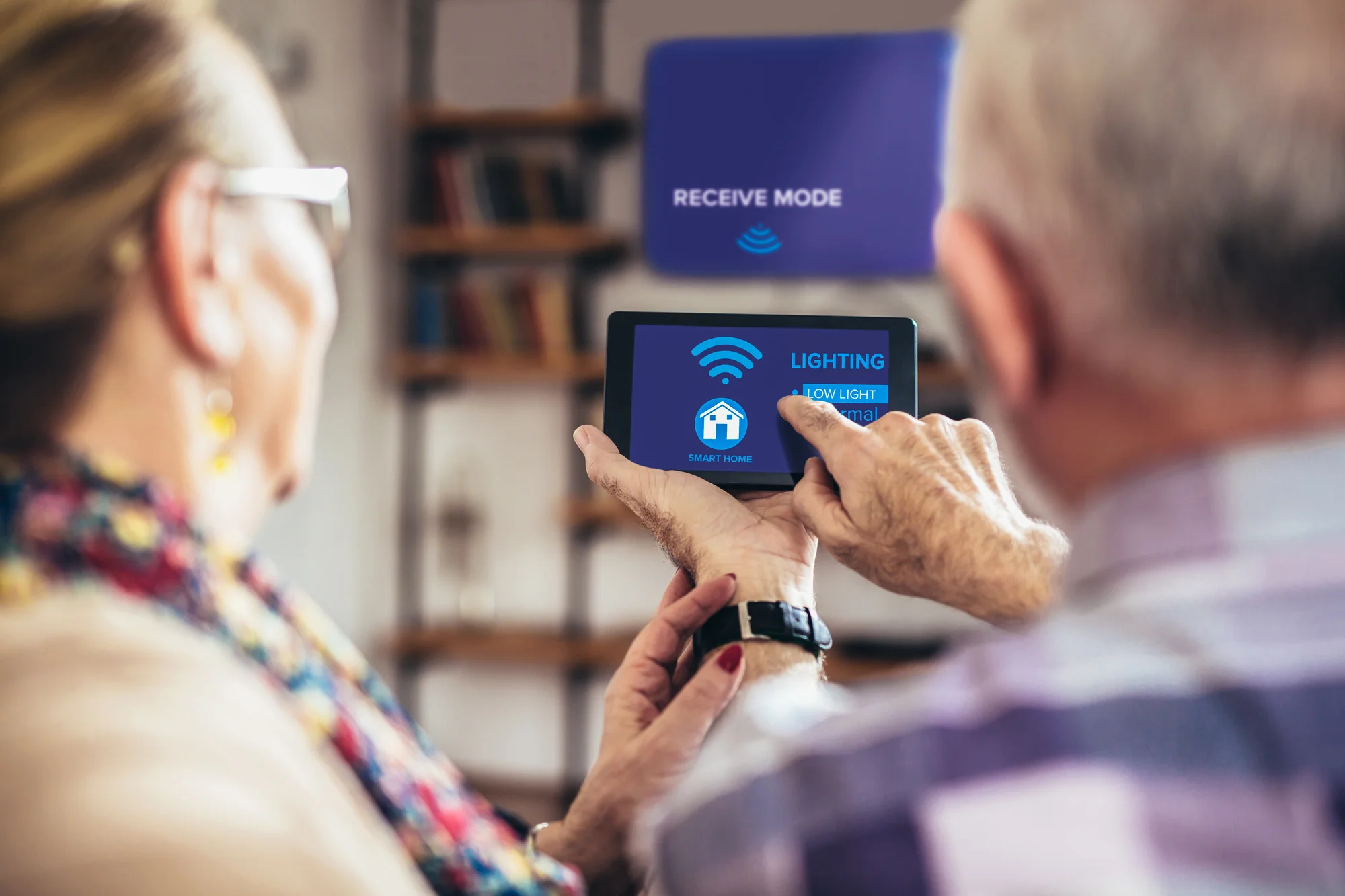
- Lighting: Set lights to dim in the evening or turn on when motion is detected.
- Climate Control: Smart thermostats learn your routine and adjust temperatures automatically.
- Security: Cameras, alarms, and locks can be managed from anywhere in the world.
- Appliances: Coffee machines, ovens, or robotic vacuums can operate on schedules or voice commands.
These examples show how automation makes life more seamless and gives you control over your environment.
Benefits of Home Automation
Convenience
Automating daily routines saves time and effort.
Energy Efficiency
Devices like smart thermostats and lighting systems reduce waste, lowering energy bills.
Security
Remote monitoring and smart locks provide peace of mind and control over who enters your home.
Accessibility
For elderly or disabled individuals, automation can improve quality of life by simplifying tasks.
Challenges to Remember
While the benefits are clear, anyone researching what is home automation and how does it work should also consider challenges. Costs can be high when outfitting an entire home with smart devices. Compatibility issues sometimes arise when devices from different brands don’t communicate well. Privacy and security concerns are another factor, since connected devices rely on the internet to function.
The Future of Home Automation
Technology continues to evolve. Artificial intelligence is making automation smarter, allowing systems to learn from user behavior and predict needs. For example, your home may eventually recognize when you’re stressed and adjust lighting or play calming music automatically.
The idea of a fully connected smart home is becoming more realistic every year, and it’s only a matter of time before automation becomes the standard for most households.
What Is Home Automation and How Does It Work?
So, what is home automation and how does it work? It’s the integration of smart devices, communication protocols, and control systems that work together to make your home more efficient, secure, and comfortable. From simple tasks like turning off lights to complex routines involving multiple devices, automation is changing the way we live.
If you’re considering adding automation to your home, start small with one or two devices and expand over time. The possibilities are endless, and the technology is designed to grow with your needs.