October 17, 2025
Home Automation for the Elderly and Disabled
Smart technology has become part of everyday life, and one of the areas where it can have the most impact is in helping people live independently and safely. Home automation for the elderly and disabled offers practical solutions to daily challenges, reduces risks, and improves overall comfort.
What Is Home Automation for the Elderly and Disabled?
Home automation uses smart devices, sensors, and control systems to automate everyday tasks like lighting, climate control, and security. When adapted specifically for seniors or individuals with disabilities, it goes beyond convenience. It becomes a tool that supports independence and accessibility.
For example, automated lighting reduces the risk of falls, voice-controlled assistants eliminate the need to use small buttons, and smart locks make it easier to secure a home without fumbling for keys. This is the foundation of home automation for the elderly and disabled, making the home environment safer and easier to manage.
How Home Automation for the Elderly and Disabled Improves Safety
One of the greatest benefits of home automation for the elderly and disabled is enhanced safety. Many accidents at home can be prevented with simple automated systems:
- Fall Prevention: Motion-activated lights illuminate hallways and bathrooms at night.
- Emergency Response: Smart devices can be connected to medical alert systems or send alerts to family members if something unusual is detected.
- Door and Window Sensors: These provide reminders if doors are left open or notify caregivers of unexpected activity.
Safety is often the top priority, and automation provides a reliable safety net.
Increasing Independence Through Smart Devices
Independence is important for everyone, but especially for seniors and people with disabilities. Home automation for the elderly and disabled creates an environment where routine tasks are easier to manage:
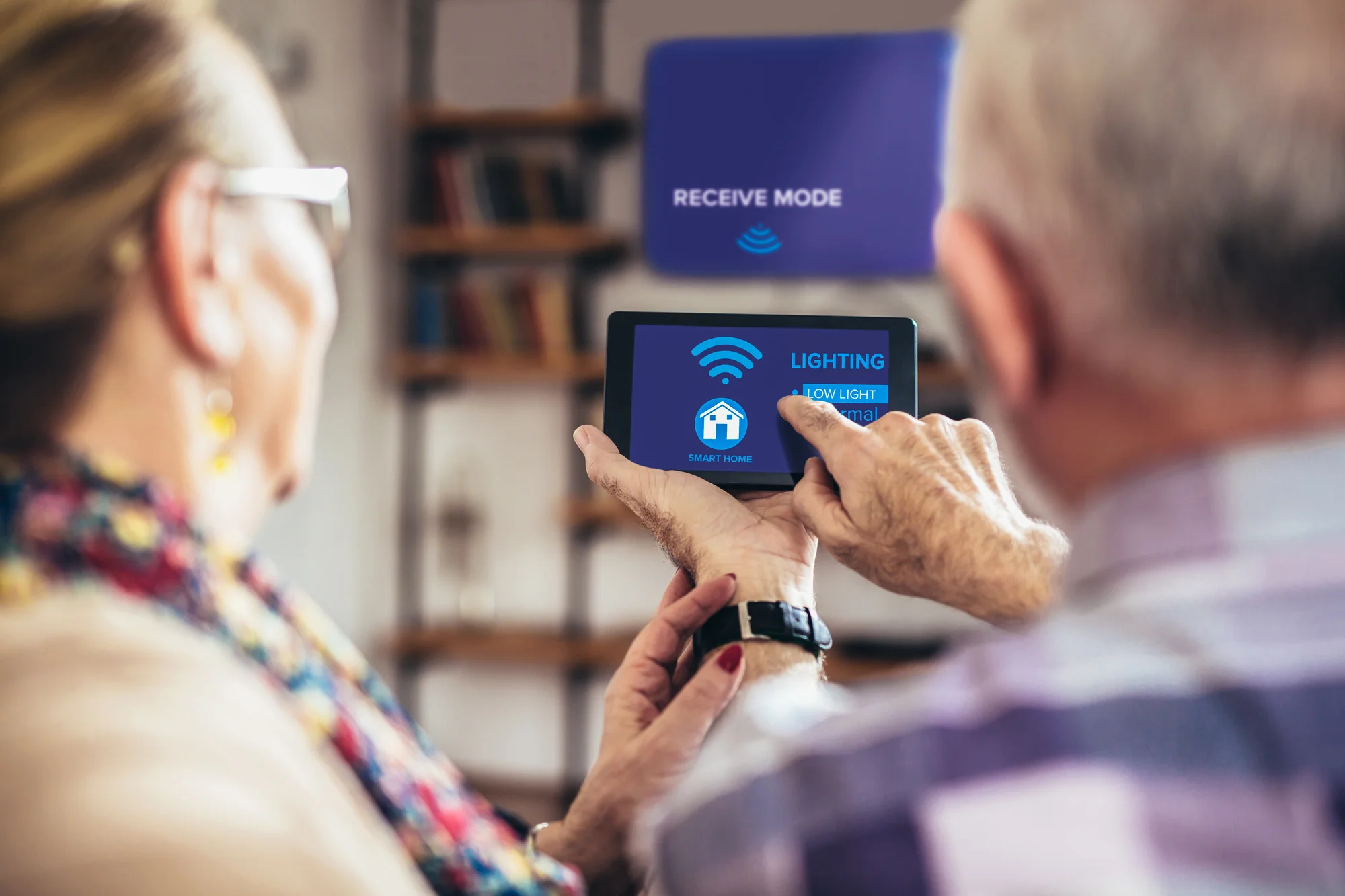
- Voice Commands: Smart speakers allow users to control lights, thermostats, and appliances without moving around the house.
- Automated Appliances: Ovens that shut off automatically or robotic vacuums that clean on schedule reduce the need for physical effort.
- Smart Thermostats: These maintain comfortable temperatures without manual adjustments, ideal for people with limited mobility.
By automating daily activities, individuals can live more comfortably without constant assistance.
Providing Peace of Mind for Caregivers
Caregivers often worry about loved ones who live alone. With home automation for the elderly and disabled, they can monitor situations remotely and be alerted to issues right away. Features like smart cameras, door sensors, and health monitoring devices allow caregivers to stay connected without invading privacy.
This aspect of home automation for the elderly and disabled is especially valuable for families who want reassurance that their loved ones are safe even from a distance.
Challenges to Consider
While the benefits are clear, anyone researching home automation for the elderly and disabled should also consider challenges. Not every elderly or disabled person feels comfortable with new technology. Setup costs can be high, and reliable internet access is essential for most systems. Training and ongoing support may be required to ensure the user feels confident operating the devices.
The Future of Accessible Smart Homes
As technology evolves, home automation for the elderly and disabled will only become more advanced. Artificial intelligence will allow systems to learn patterns and anticipate needs, adjusting lighting, reminding users to take medication, or even alerting caregivers if unusual activity is detected.
The future points toward more intuitive, voice-driven, and even wearable-integrated systems that will make smart homes a standard part of accessible living.
Why Home Automation for the Elderly and Disabled Matters
Home automation for the elderly and disabled is not just about convenience, it’s about safety, independence, and dignity. From preventing falls to making everyday tasks simpler, smart technology helps create homes that adapt to the needs of their residents.
For families and caregivers, it provides peace of mind. For individuals, it provides freedom. As smart technology becomes more affordable and widespread, home automation for the elderly and disabled will play a key role in shaping how people age and live with disabilities in comfort at home.